-
Introduction
-
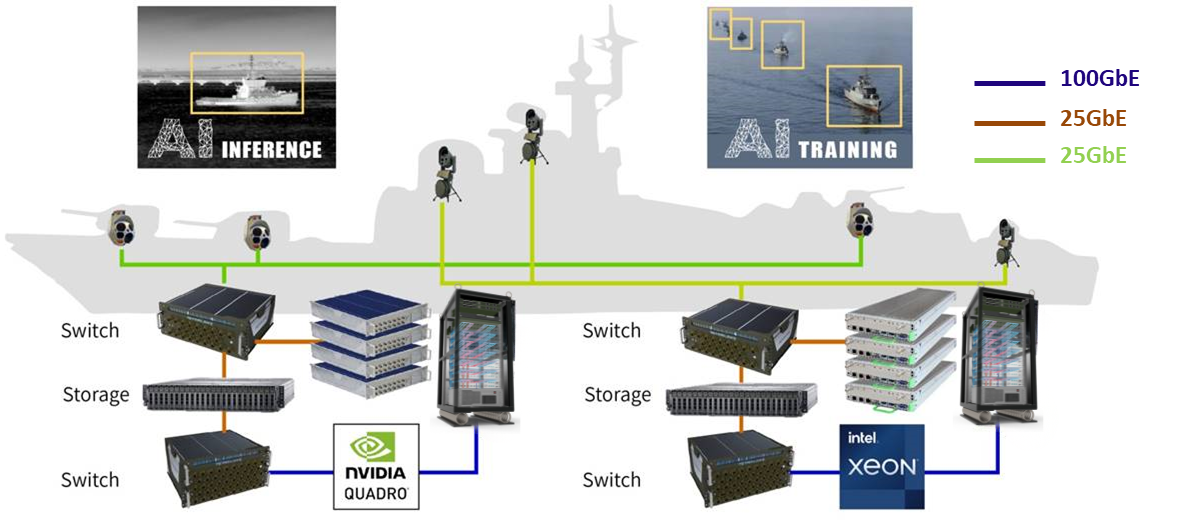
Modern battlefields are evolving rapidly, and mission success now depends on the effective convergence of tactics and advanced technology. High-performance military platforms—such as ground vehicles and Unmanned Surface Vehicles (USVs)—require tightly integrated systems capable of operating reliably in complex and contested environments.
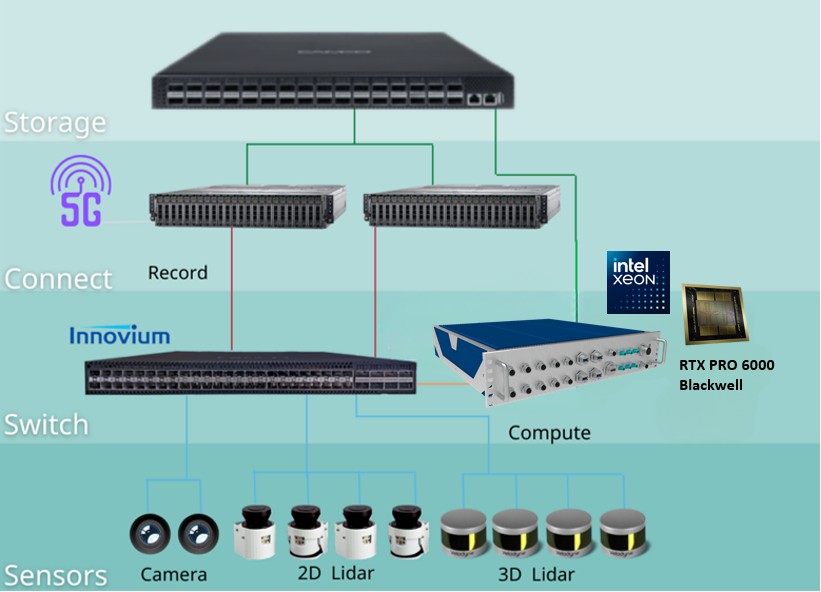
At the core of these platforms are edge-computing GPU servers that ingest and process high-bandwidth data from intrusion detection and situational awareness sensors, including cameras, radar, and LiDAR. These systems must deliver low-latency storage and high-performance compute capabilities to support real-time AI, machine learning, and inference workloads, while enabling secure and rapid data sharing between battlefield commanders and front-line warfighters.
By consolidating computing, storage, and data management into a unified architecture, operators can eliminate fragmented interfaces and oversized server deployments. Interoperable systems work cohesively to analyze incoming data, execute command decisions, and provide centralized visibility and control of mission-critical assets—maximizing efficiency, scalability, and operational readiness in time-sensitive combat scenarios.
The AV1000 rugged, liquid-cooled GPU server is purpose-built to meet these demands. Powered by Intel® Xeon® 6 Scalable Processors, the AV1000 supports C4ISR virtualization with up to 86 cores for flexible CPU resource allocation across multiple virtual machines. With high-capacity DDR5 memory, advanced liquid-cooling thermal management, and up to 48 TB of NVMe storage in a 2U form factor, it delivers exceptional performance, data throughput, and resilience—engineered to withstand shock, vibration, collisions, and extreme temperatures in the harshest operational environments.
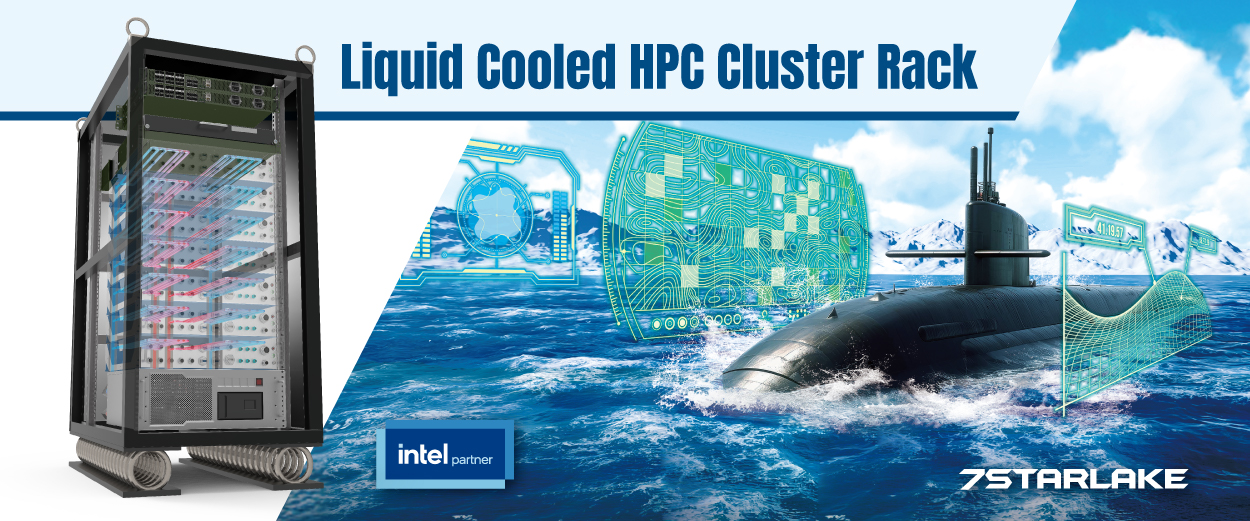
- 7STARLAKE Liquid-Cooled Rack System
-
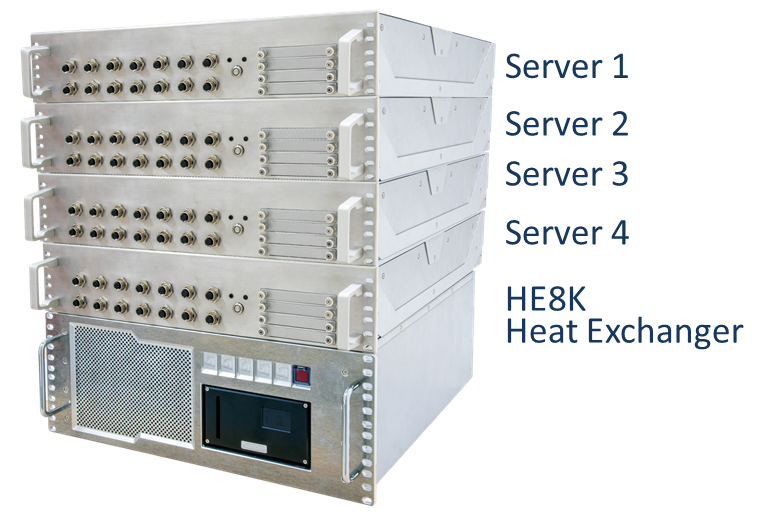
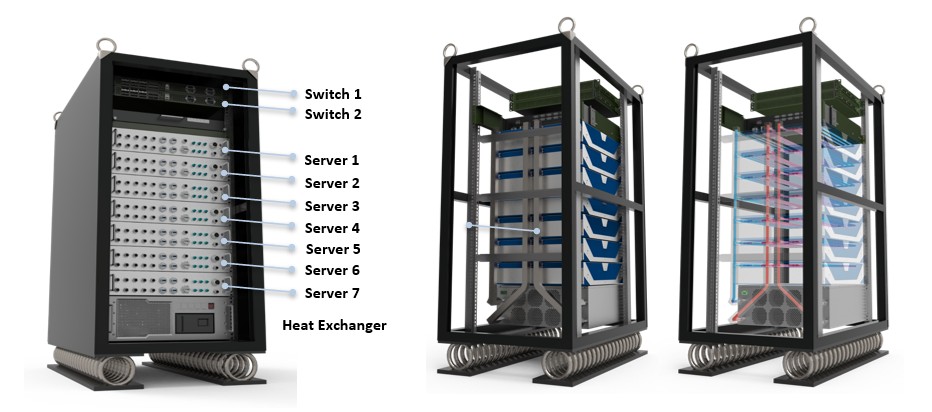
Engineered to support next-gen high-power GPU clusters in demanding HPC and AI environments, 7STARLAKE’s advanced liquid-cooled rack system features a scalable, modular architecture designed for flexible deployment and future expansion, ideal for high-density compute workloads on USVs, where space, power efficiency, and reliability are critical.
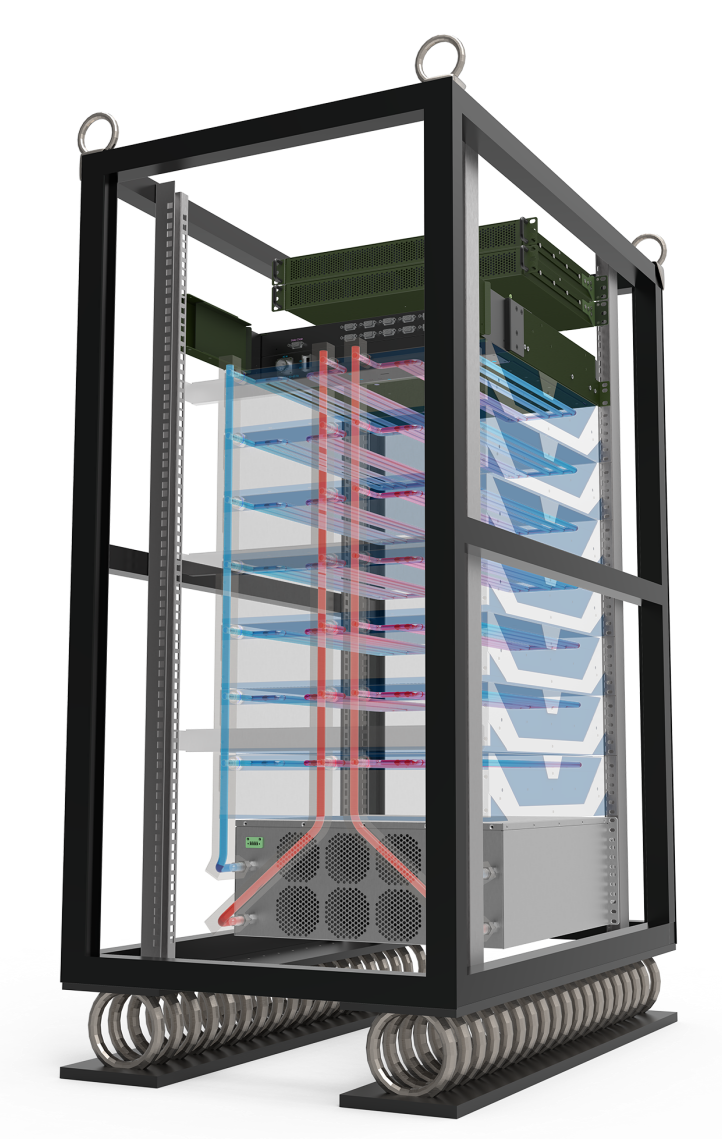
At the core of the thermal solution is gun-drilled cold plate technology, delivering efficient heat dissipation while maintaining mechanical robustness and operational reliability. The conduction-over-liquid cooling approach ensures stable operation in maritime environments subject to vibration, shock, and temperature variation, while minimizing risk to sensitive electronics.
Strengths of 7STARLAKE Liquid Cooled Rack System:
- Conduction-over-Liquid-Cooled Technology
- High-Power GPU Cluster Capability
- Scalable Modular Architecture
- Gun-Grilled Cold Plate Technology
-
Reasons to Adopt Rugged Liquid Cooling — The New Era of HPC Thermal Solution
-


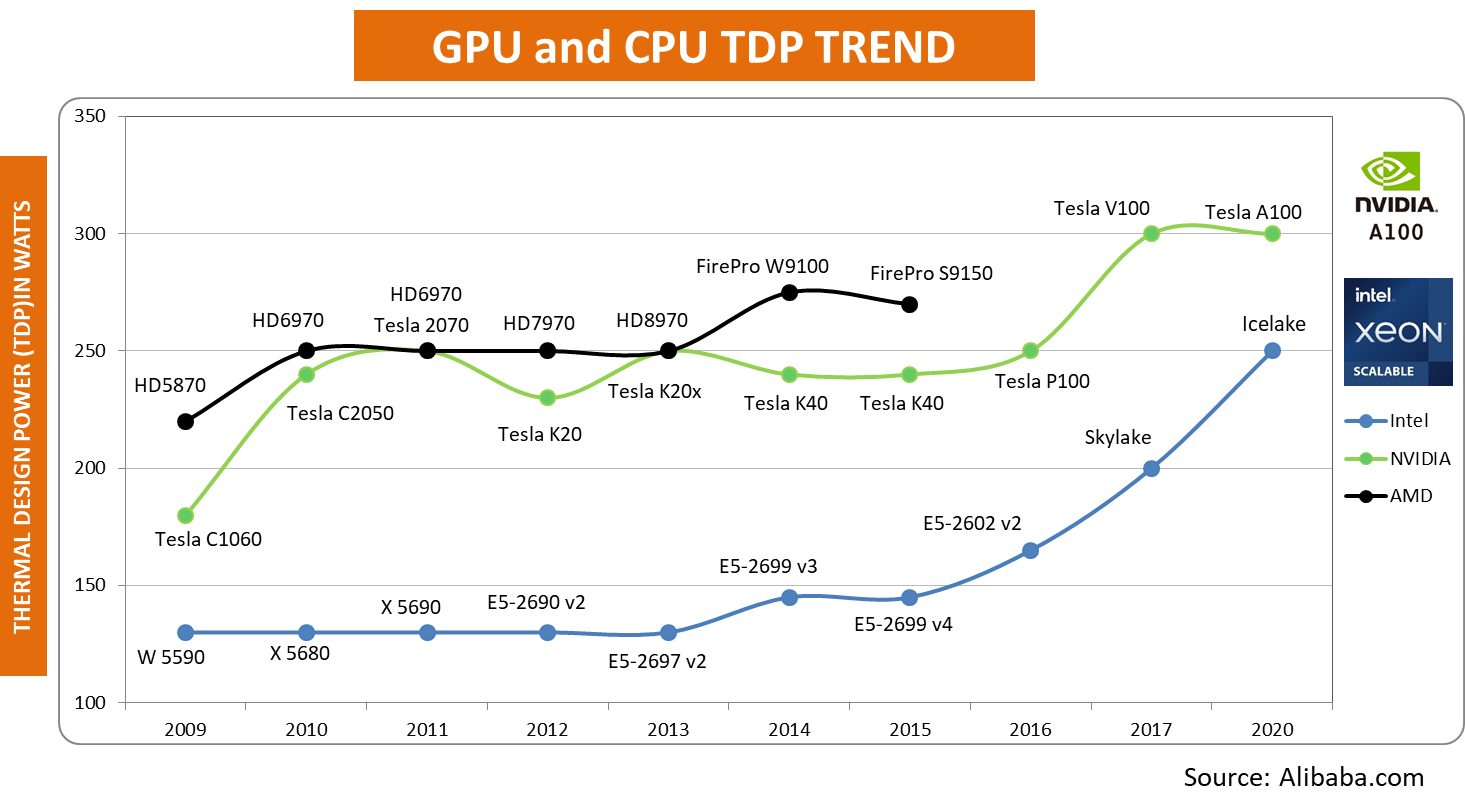
Over the past decade, the rapid expansion of cloud computing, IoT, AI, and edge applications has driven a new wave of IT infrastructure upgrades. To support high-speed, high-volume data transmission, modern systems increasingly rely on high-performance, high-power CPUs and GPUs that must deliver greater compute density while improving overall energy efficiency and operational consolidation. As a result, total system power consumption continues to rise, making thermal management and cooling efficiency critical design considerations. For AI-driven workloads, achieving the right balance between performance and energy efficiency is essential. The shift toward green computing is well underway, with reduced energy consumption playing a central role in building a more sustainable digital ecosystem.
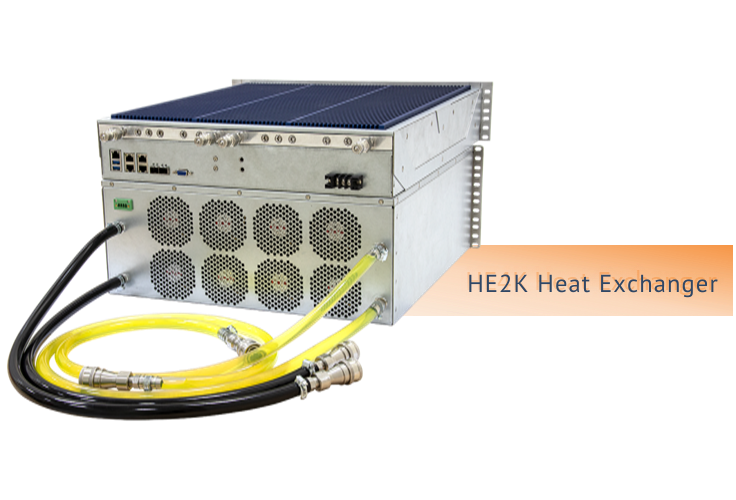
The AV1000 liquid-cooled GPU server exemplifies this approach. Powered by dual Intel® Xeon® Scalable processors (Emerald Rapids) and equipped with up to four NVIDIA Blackwell 6000 GPUs—each with a TDP of up to 600 W—the platform delivers extreme compute density. To prevent CPU and GPU throttling under sustained workloads, the AV1000 integrates an advanced liquid-cooling solution designed to efficiently dissipate heat, maintain stable performance, and significantly reduce the energy overhead associated with traditional air-cooling systems.
- Why Liquid Cooling Solution is Important?
-
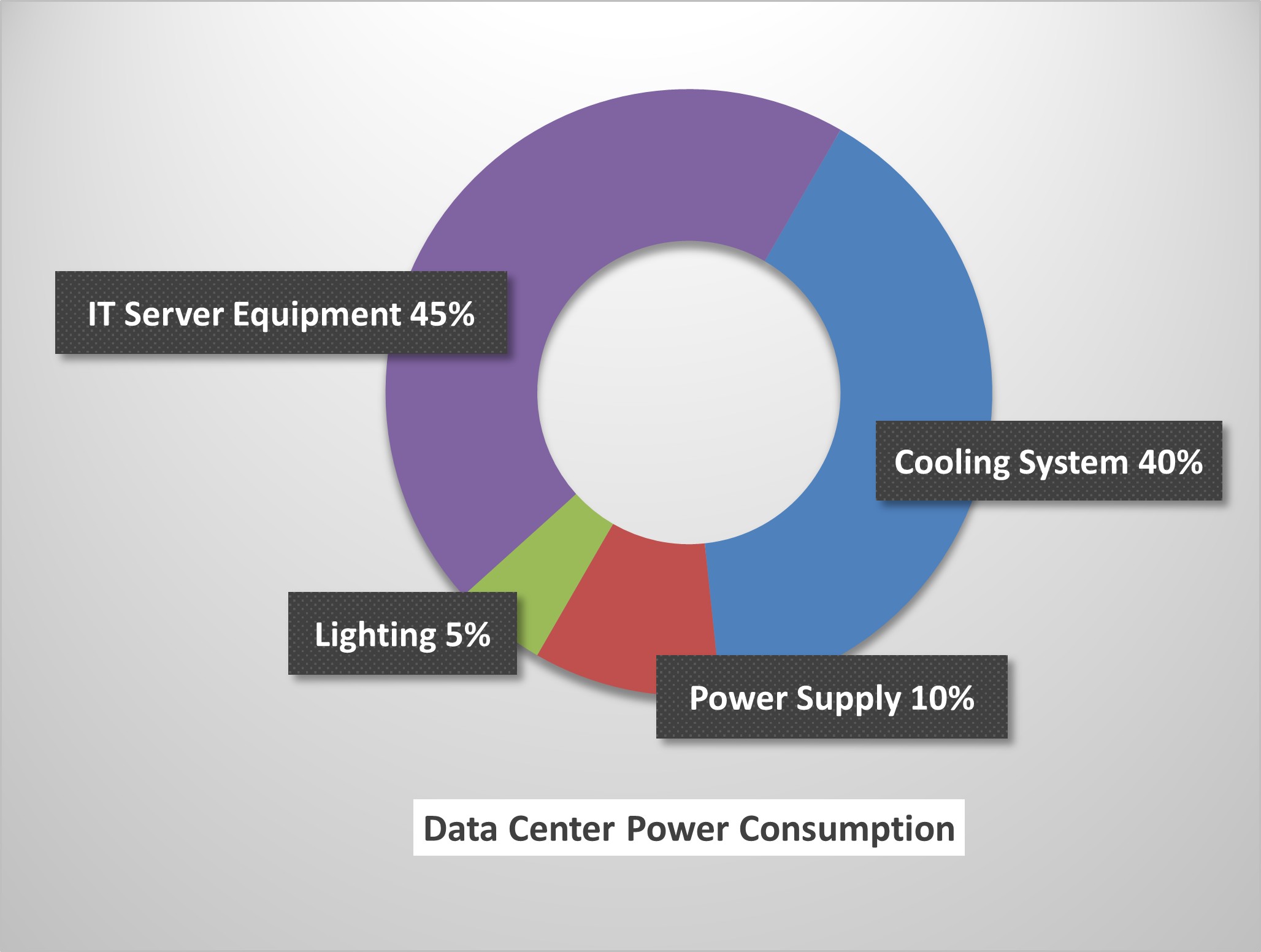
To reduce latency and improve performance, CPUs, GPUs, and other onboard components are being placed closer together, significantly increasing server compute density and internal operating temperatures. As data center rack power densities continue to rise, the resulting heat generation becomes increasingly difficult to manage. Efficient heat removal is essential to protect equipment, ensure reliability, and sustain performance. As a result, liquid cooling is emerging as a critical and increasingly necessary thermal management solution for modern data centers.
Power Usage Effectiveness (PUE) is a widely adopted metric for evaluating data center energy efficiency, representing the ratio of total facility energy consumption to the energy used by IT equipment. An ideal PUE value is 1.0, indicating that all power is consumed directly by computing systems. After IT equipment, cooling infrastructure represents the largest share of energy consumption in a data center and therefore has a substantial impact on PUE and operating costs. Traditional air-cooling systems require significant energy to drive high-speed fans, often resulting in PUE values of up to 1.6. In contrast, conduction-based liquid cooling can reduce PUE to approximately 1.1 by dissipating heat more efficiently, consuming less energy, and enabling servers to operate reliably at higher ambient temperatures.
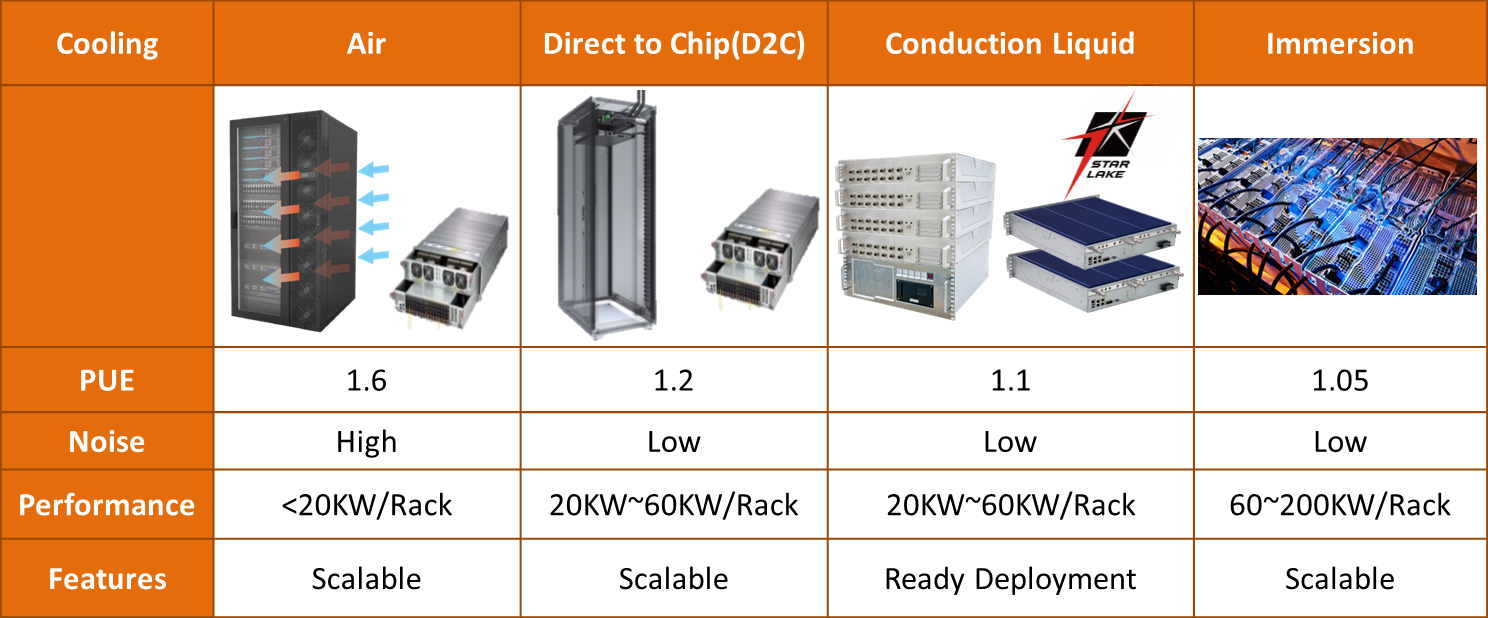
- Liquid Cooling Solutions Overview
-
Multiple liquid-cooled approaches exist because data centers vary widely in infrastructure readiness, deployment timelines, and cost sensitivity. Among these solutions, conduction-based liquid cooling offers a strong balance of performance and practicality by delivering effective heat removal while maintaining compatibility with existing server architectures and operational practices. Its mechanically robust design and minimal system disruption make it especially attractive for scalable deployments. While other liquid cooling methods might also address extreme thermal demands, conduction cooling provides a flexible, lower-risk path for many high-density computing environments.
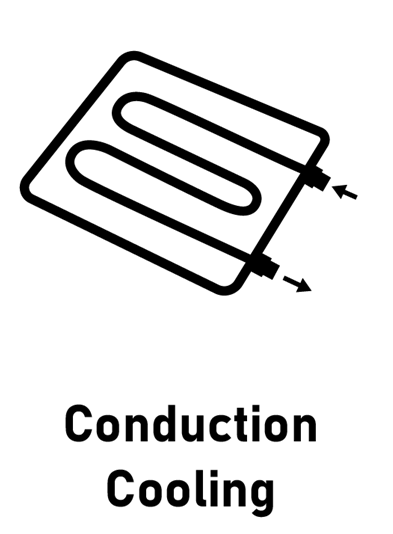
1. Conduction
Using conduction cooling system, the heat is captured at the interface between the copper tubing and CPU and GPU, and then the heat is dissipated to the interface through the copper tubing and the solid conduction plate mounted on the side of the server.
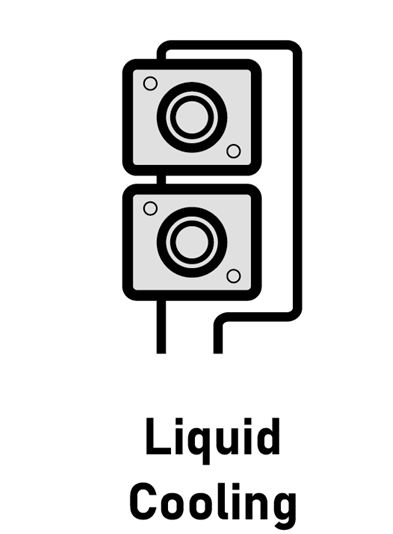
2. Direct to Chip (D2C)
Direct to chip system cools processors directly, a liquid coolant is brought via tubes directly to the chip. Heat sinks mounted directly onto the processors and GPU, and heat sinks are connected to small tubing that carried liquid to and from the component.
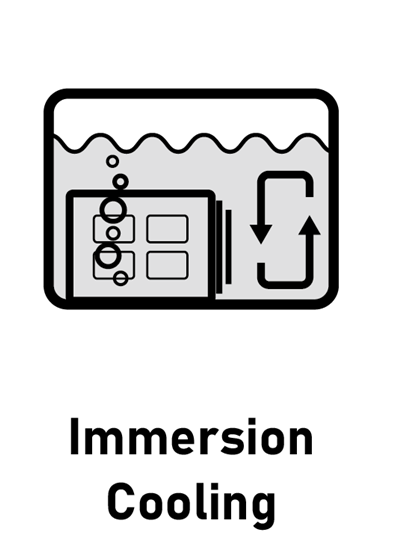
3. Immersion
In an immersion system, the rack hardware is submerged into a tank of non-conductive and nonflammable dielectric fluid. Heat will be dissipated from the components into the fluid via convection to dissipate the heat, as it flows through the rack without any additional active cooling systems or parts required.
- What is Conduction Liquid Cold Plate (C.L.C.P) ?
-
Liquid cooling is an effective solution for high-performance heat dissipation. Most systems use a closed-loop design, such as Direct-to-Chip (D2C), where the pump and cold plate are fully integrated. While some may have concerns about potential leaks, a properly engineered liquid cooling system eliminates this risk, making it one of the most reliable and efficient thermal management solutions available.
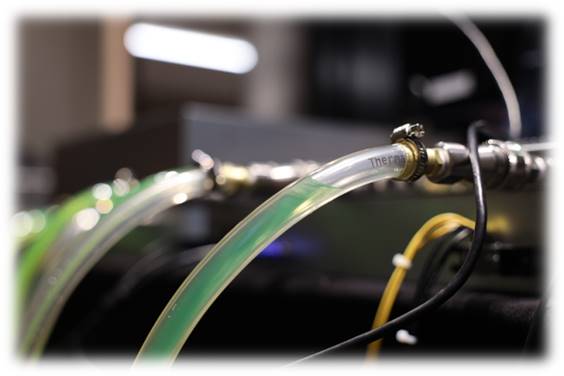
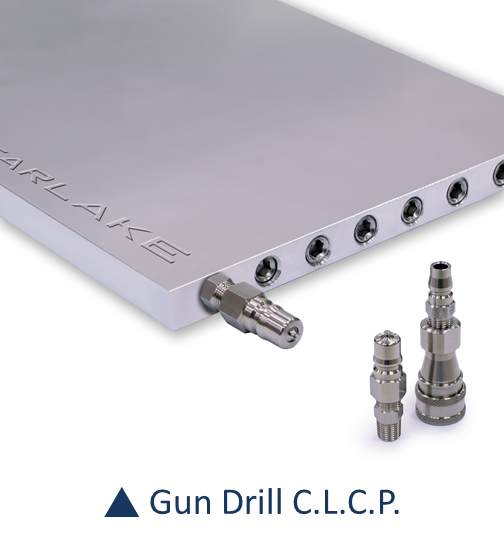
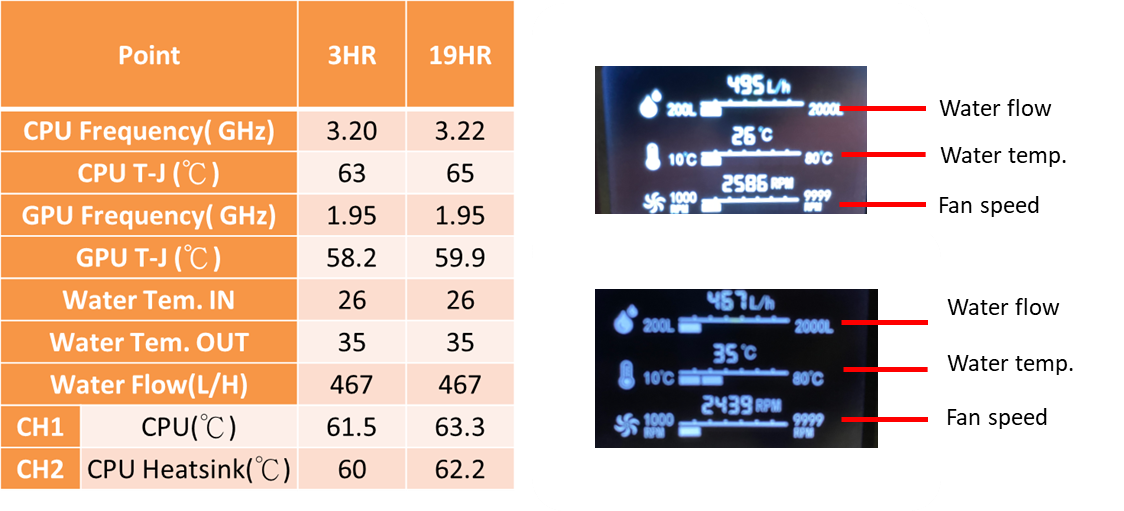
In order to effectively reduce overall temperature and prevent liquid leakage, 7Starlake has developed a unique heat exchanger that integrates a Conduction Liquid Cold Plate (C.L.C.P.) built using the most advanced gun-drilled technology. This design features 10 precision-engineered pipes (each 5 mm × 5 mm × π × 500 mm) capable of dissipating up to 2kW of heat from the computing system. A gun-drilled liquid cold plate is manufactured by drilling a series of deep, precise holes into an aluminum plate to form the liquid flow path.
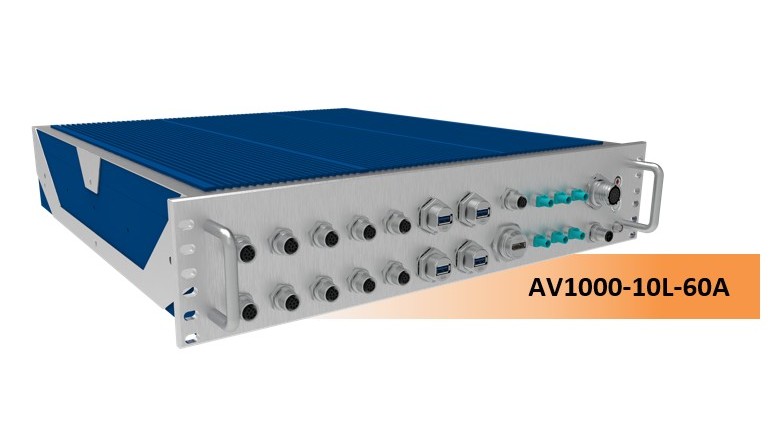
The gun-drilled cold plate is highly adaptable across a wide range of operating temperatures and is engineered to meet strict flatness requirements, ensuring efficient conduction contact with processors, GPUs, and power components. Its robust design provides exceptional structural integrity and dimensional precision, minimizing the risk of leakage while maintaining consistent flatness and delivering reliable thermal performance under demanding operating conditions.
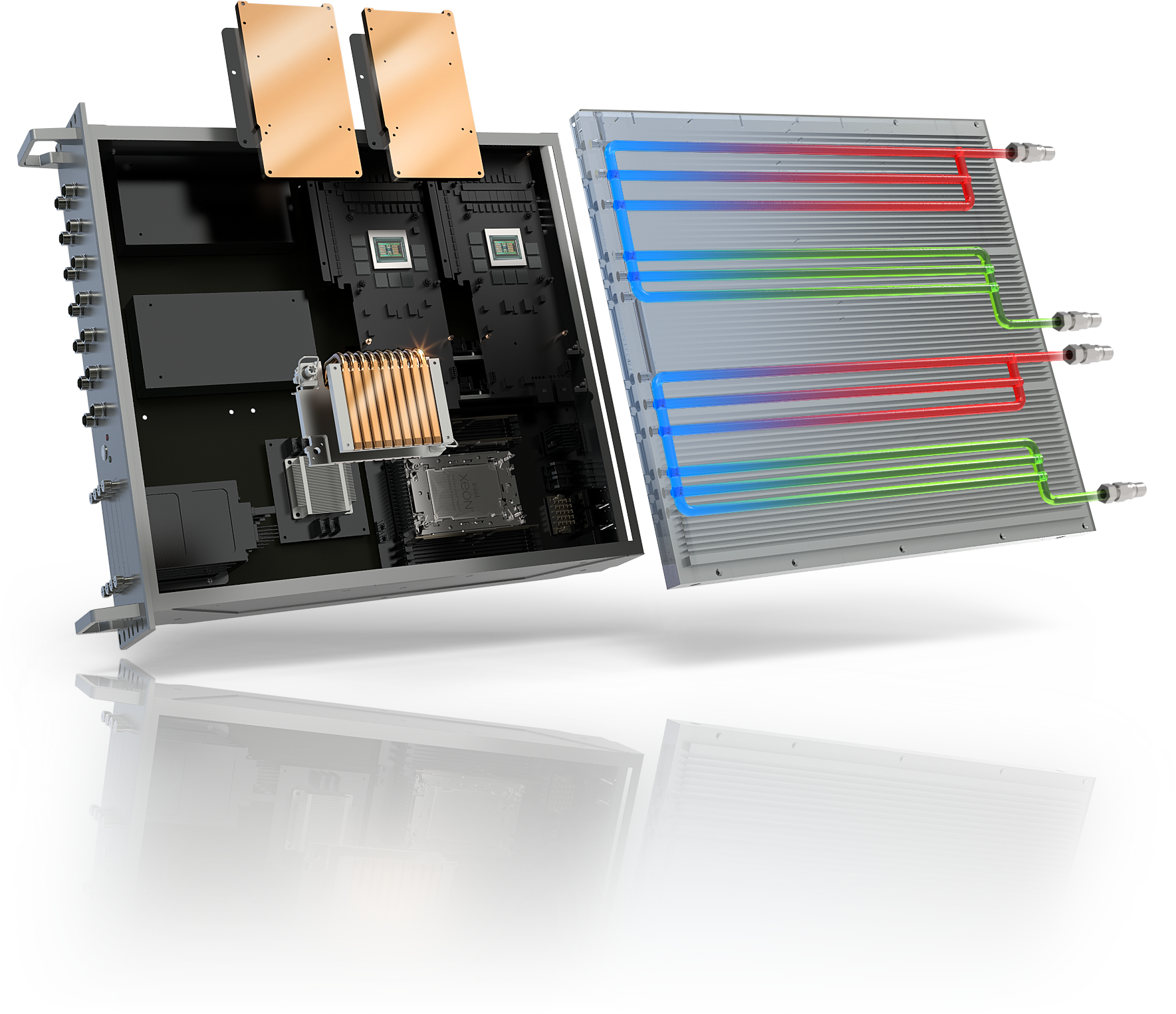
The C.L.C.P. includes a multi-channel cold liquid inlet/outlet design, offering high flexibility to adjust the number of inlets and outlets according to specific requirements. As coolant flows through the top sink, it absorbs heat efficiently and transfers it to the heat exchanger, rapidly removing thermal energy from critical components. By leveraging the strengths of both liquid and air cooling, this solution enables higher rack densities and improved energy efficiency, reduces overall power consumption, and enhances overclocking potential for high-performance computing systems.
- What are the advantages of C.L.C.P?
-
1. Higher Level of Efficiency
The heatsink is mounted directly on CPU or GPU that will conduct the heat away by direct contact. After that, the heat will be transferred to liquid cold plate which transfers heat more effectively because of its high thermal conductivity. It will efficiently distribute heat over convection surface.
2. Longer Lifespan
If a computer overheats, it can damage internal hardware, significantly shorten component lifespan, and potentially cause irreparable failure and data loss. Conduction and liquid cooling solutions help maintain stable, low operating temperatures, ensuring reliable performance and long-term system durability.
3. Cools off High-Performance GPUs
Modern high-performance GPUs can generate two to three times more heat than CPUs. When deploying high-performance GPUs such as the RTX PRO Blackwell 6000, an advanced thermal solution is essential. The C.L.C.P. provides efficient and reliable cooling, effectively mitigating GPU thermal throttling and maintaining sustained peak performance.
4. Rackmount Vertically with Heat Exchanger to Save Space
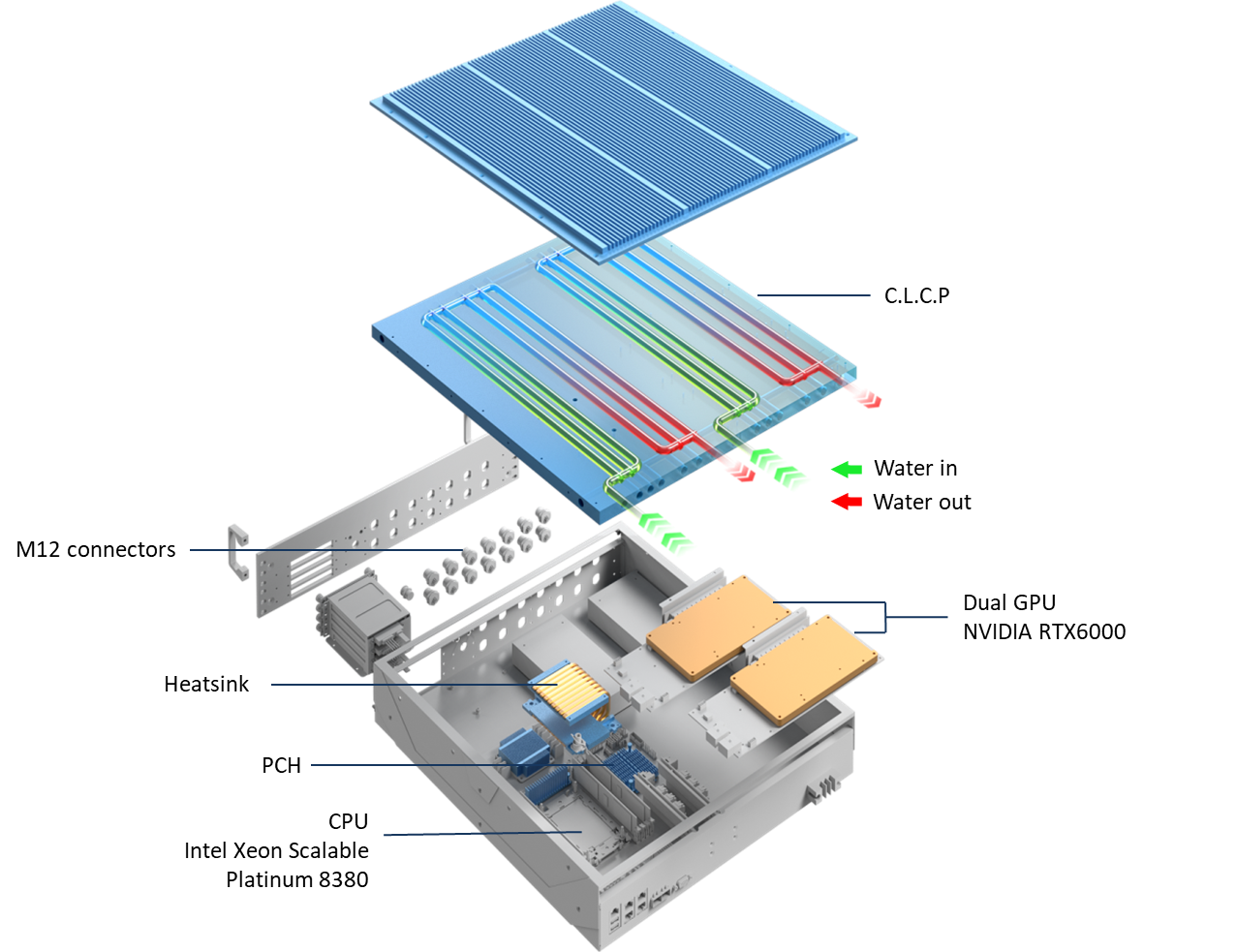
HE2K is a heat exchanger designed to dissipate up to 2 kW of heat and can be integrated with the C.L.C.P. on the AV1000 GPU server. By combining the C.L.C.P. thermal solution of the AV1000 with the air-cooling capabilities of the HE2K, this integrated design delivers an optimal thermal management solution for efficient heat dissipation. When mounted vertically in a rack configuration, it reduces space requirements and enables easier system organization and deployment.
-
Breakthrough Performances in New AI Inference
-
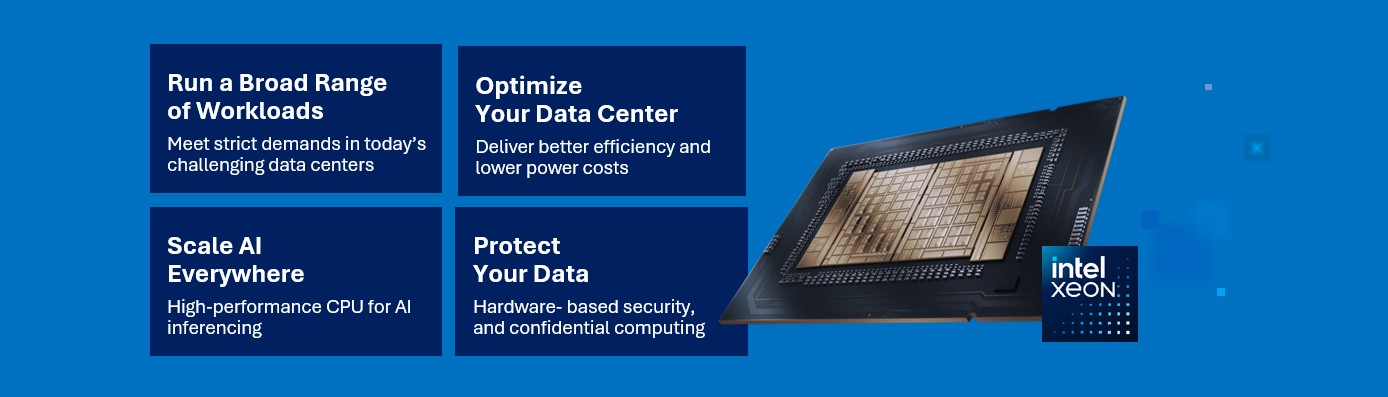
Accelerated AI Performance for Intel® Xeon® 6 Scalable Processors
From compute-intensive AI inference to scale-out microservices, Intel® Xeon® 6 Scalable Processors deliver the versatility and performance required for modern AI-driven data centers. With up to 86 cores, doubled memory bandwidth, and AI acceleration integrated into every core, these processors provide up to twice the performance across AI and HPC workloads. 7Starlake’s AV1000 AI Inference Rugged Server leverages Intel® Xeon® 6 Emerald Rapids Scalable processors, supporting PCIe Gen 5 and 8-channel DDR5 memory to enable high-speed data movement and balanced system throughput. With advanced security features, and up to 40% performance improvement over previous generations, the AV1000 delivers scalable, efficient, and reliable AI performance for demanding workloads.
NVIDIA RTX PRO 6000 Blackwell
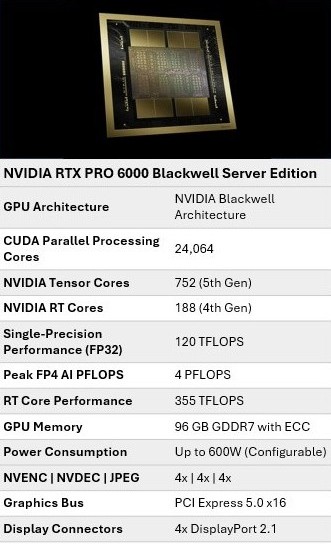
The AV1000 Liquid Cooled GPU Server supports 2 x NVIDIA RTX PRO 6000 Blackwell GPUs. Equipped with 96GB of ultra-fast GDDR7 memory, fifth-gen Tensor Cores, and fourth-gen RT Cores, the RTX PRO 6000 Series accelerates the full spectrum of AI and creative workloads—from agentic AI, physical AI, and scientific computing to photorealistic rendering, 3D graphics, and real-time video processing. From desktop to the edge, the NVIDIA Blackwell architecture delivers unmatched flexibility, scalability, and precision, redefining the future of AI, science, and design.